Texas Forklift Scales
Efficient Onboard Forklift Weighing Solutions in Texas
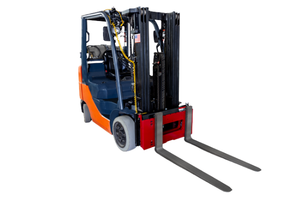
Forklift scales allow operators to weigh pallets, containers and other materials as loads are lifted and moved. For warehouses, distribution centers, manufacturing plants and shipping operations throughout Texas, onboard weighing can reduce trips to stationary scales, eliminate extra handling steps and provide timely weight information during everyday workflows.
P&S Scale provides Texas forklift scale sales, installation, calibration, preventative maintenance and repair. Our team can help you select a dependable system that fits your forklift equipment, weighing capacity, operating conditions and data-management requirements.
Choosing the Right Forklift Scale for Your Operation
Selecting a forklift scale requires more than matching the system to a desired weighing capacity. Businesses in Texas should also consider forklift compatibility, load dimensions, operating conditions, accuracy requirements and how weight information will be recorded or transferred. The right configuration can improve productivity while supporting dependable weighing throughout daily operations.
Forklift Compatibility
The system should match the forklift’s carriage class, rated capacity, attachments and typical load-handling requirements.
Accuracy and Capacity
A properly sized scale helps provide dependable measurements across the range of loads handled by your operation.
Weight Data Connectivity
Available wired and wireless options can support printing, reporting, inventory management and compatible operational software.
Industrial Durability
Rugged components and protected electronics help support performance in busy warehouses, plants and distribution environments.
Industries That Use Forklift Scales
Forklift weighing systems can benefit organizations that regularly move palletized products, ingredients, raw materials, finished goods or recyclable materials. Common applications throughout Texas include:


Forklift Scale Sales and Service Across Texas
A reliable forklift scale can help streamline material movement, improve load visibility and support more accurate shipping, receiving and inventory processes. To deliver these benefits consistently, the system must be properly selected, installed and maintained for the equipment and environment in which it operates.
P&S Scale supports businesses throughout Texas with forklift scale sales, professional installation, calibration, preventative maintenance and repair. Whether you are adding onboard weighing to an existing forklift or need service for a current system, our team can help keep your weighing equipment accurate and operational.


Search for Texas Forklift Scales by region:
Frequently Asked Questions About Forklift Scales
Learn more about selecting, installing and maintaining forklift weighing systems for material handling operations throughout Texas.
How does a forklift scale work?
A forklift scale uses integrated weighing components to measure a pallet or material load as it is lifted. The measured weight appears on an onboard display and may also be transmitted to compatible printers, software or data-management systems.
Can a scale be installed on an existing forklift?
Many forklift scales can be added to existing equipment. Compatibility depends on the forklift type, carriage class, rated capacity, attachments and intended weighing application. An equipment assessment can help identify an appropriate configuration.
What are the benefits of weighing loads on a forklift?
Onboard weighing can reduce trips to stationary scales, limit unnecessary material handling and provide timely load information for receiving, production, inventory control, order fulfillment and shipping.
Can forklift scales transfer weight data to other systems?
Depending on the selected equipment, forklift scales may offer wired or wireless connectivity for sending weight information to compatible printers, warehouse systems, inventory platforms or reporting tools.
How often should a forklift scale be calibrated?
Calibration frequency depends on usage, operating conditions, accuracy requirements and applicable quality standards. Routine calibration and preventative maintenance help identify performance issues and support dependable weight measurements.